The Sajid Shariff clinic is the leading, private orthopaedic Kent-based clinic that can help, listen and advise on a wide range of treatments for Plantar Fasciitis.
Book a free Intro call with our Medical Secretary to discuss the treatment options available.
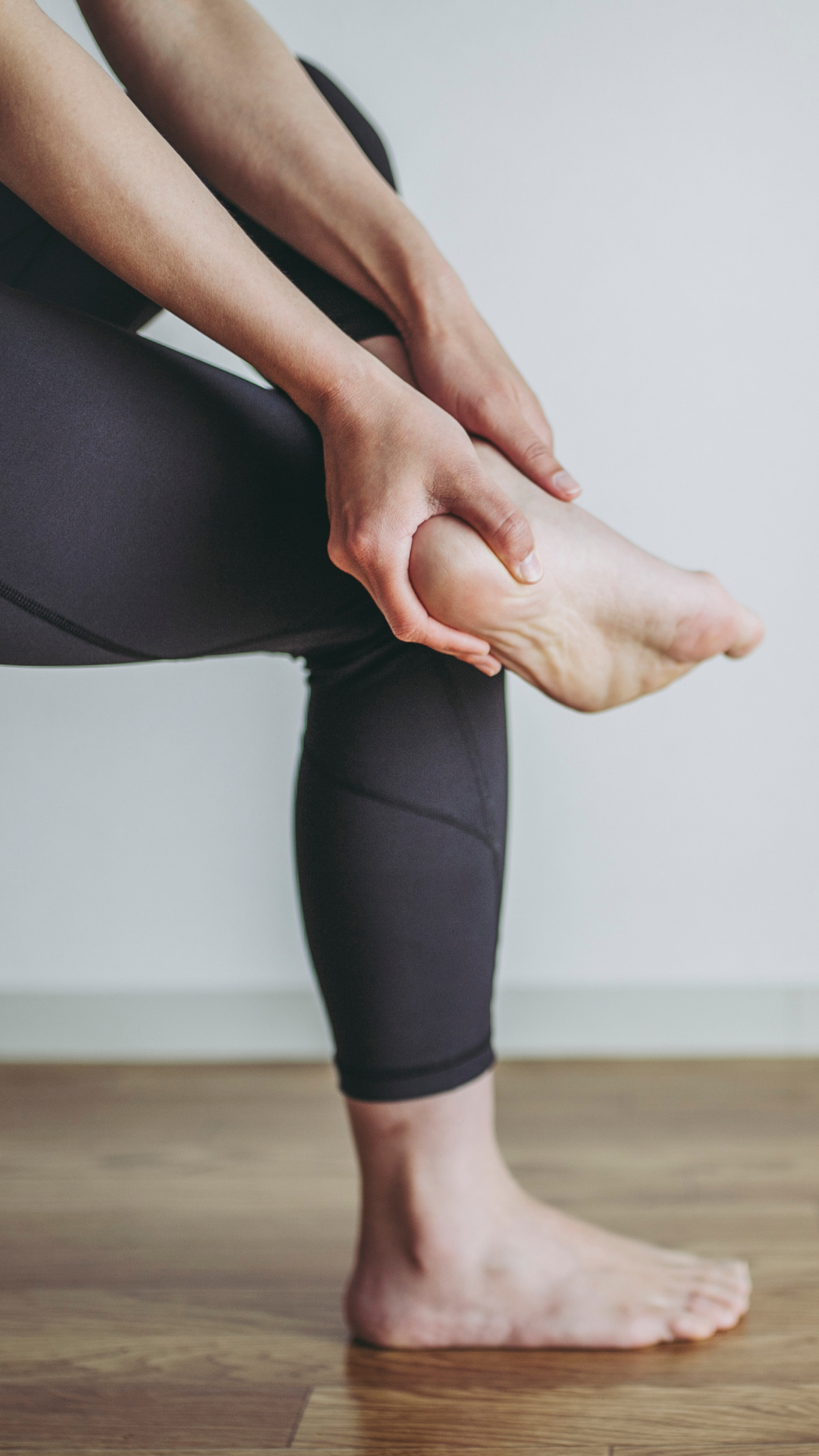
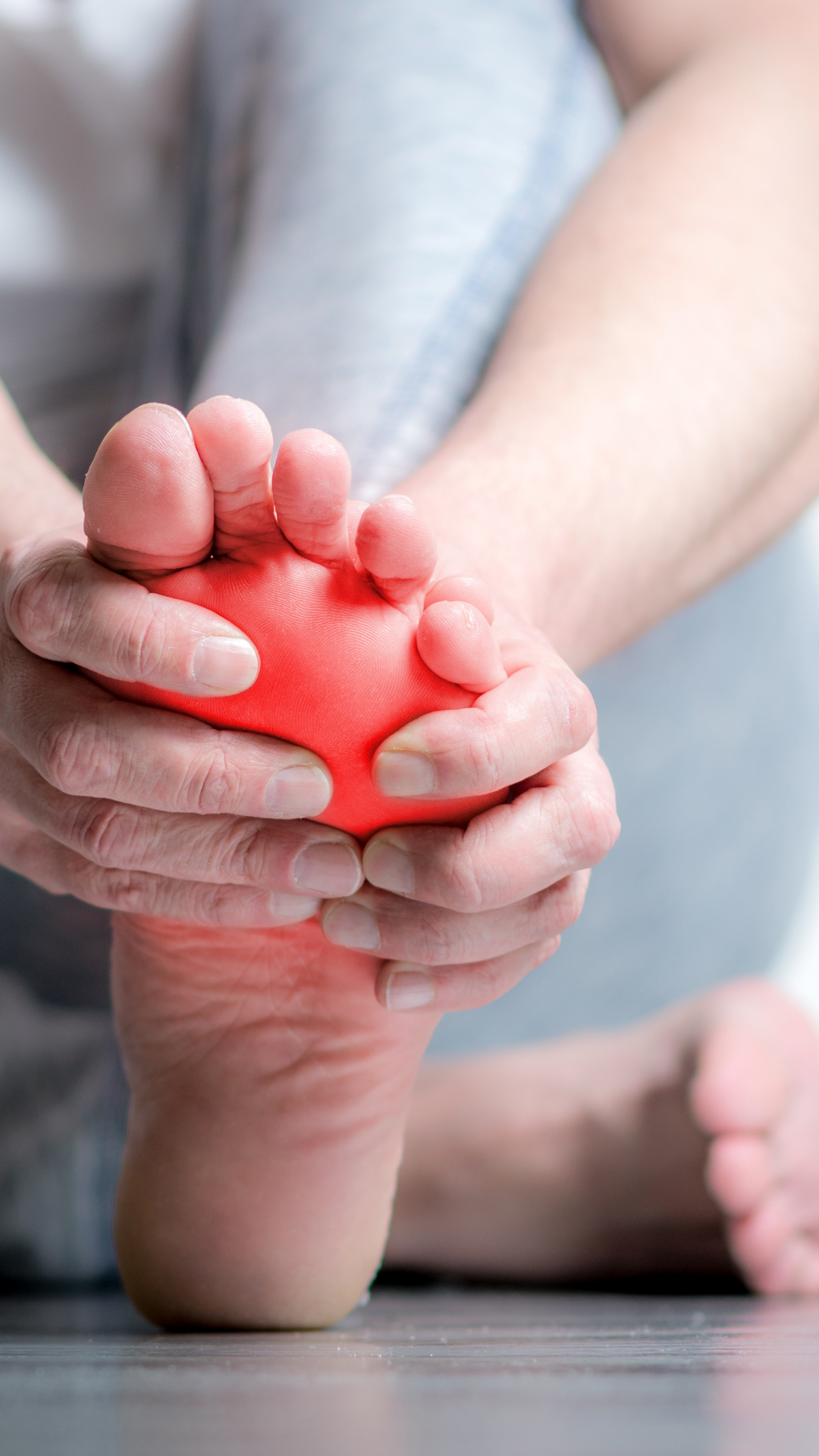
Plantar Fasciitis is associated with heel pain and is usually worse in the morning and after periods of prolonged sitting or at the start of sporting activity.
The type of pain has been described as a nail being driven into the heel or a burning sensation. Pain may also occur in the mid part of the foot and can be intermittent.
Schedule a Free Intro Call
There are many potential causes of Plantar Fasciitis. Some of the most common are:
More common in people who spend the majority of the day on their feet. High arched feet are more at risk of developing plantar fasciitis as they are less likely to absorb the stresses of walking.
Being overweight may be a contributing factor of plantar fasciitis.
If you have recently changed your exercise routine e.g. increasing mileage when running, running on different surfaces or even walking on hard surfaces i.e. cement/concrete floors.
If your shoes have non- cushioning soles or are worn out!
If you suffer from rheumatoid arthritis or ankylosing spondylitis you may be prone to inflammation anywhere a ligament is attached to a bone. Therefore plantar fasciitis may be part of the general condition.
occasionally extra bone forms producing a small bony prominence. Many people have a bony spur on the heel bone, but this is not the cause of the pain. This may be more common in those with plantar fasciitis, but do not cause plantar fasciitis.
Over 98% of patients will have resolution of their symptoms with these treatment steps. Your symptoms may take up to 18 months to resolve. Occasionally symptoms re-occur and treatment is again necessary.
Surgery is rarely required and there are associated risks & possible complications: including infection, persistent pain and damage to the small nerves in the heel causing tingling & numbness! Division of the plantar fascia can result in a flat foot.